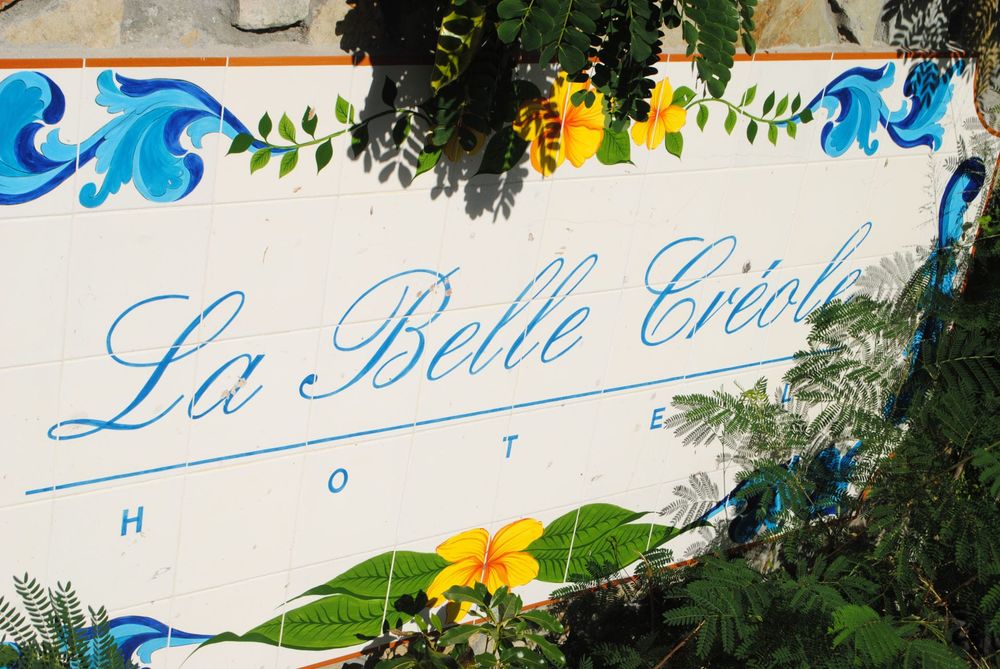
La Belle Créole: The Rise, Ruin, and Enduring Legend of Saint Martin’s Lost Resort
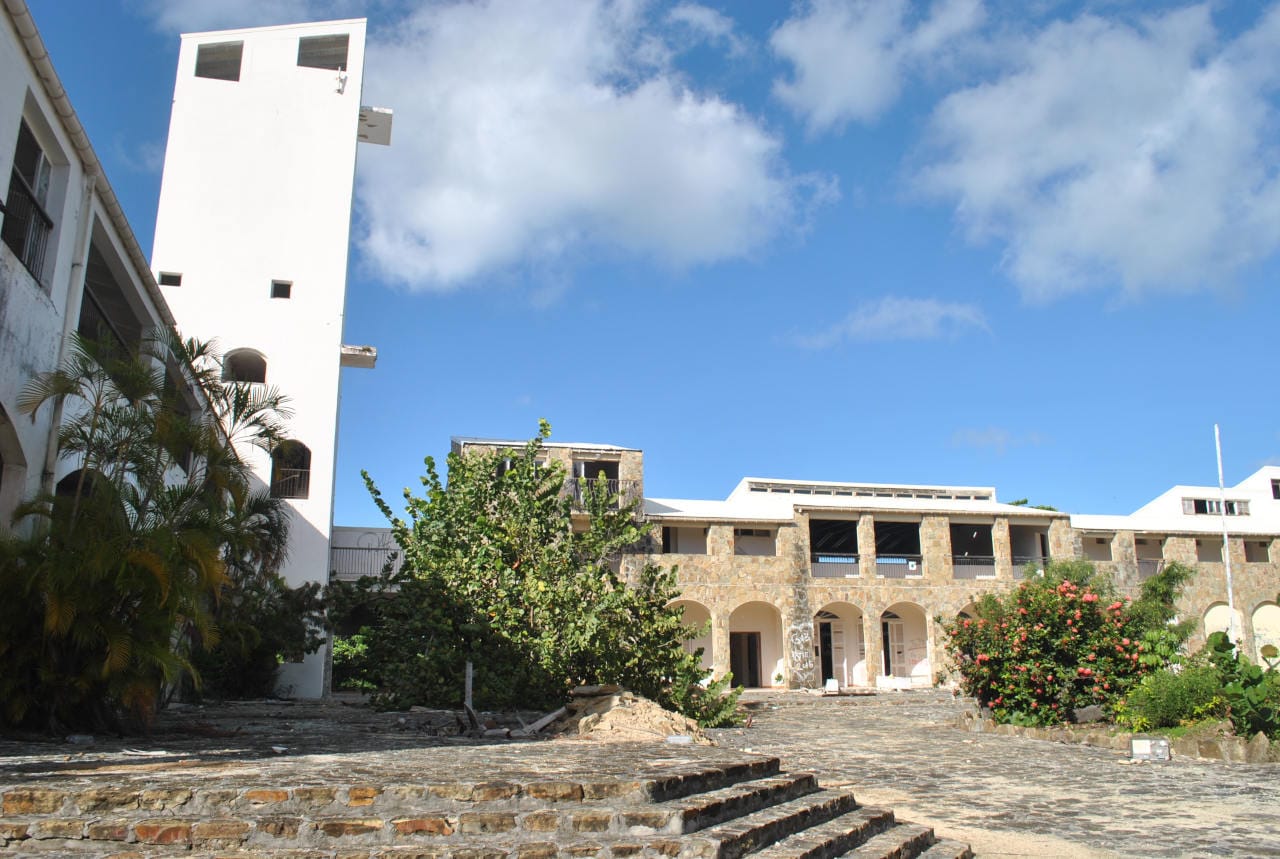
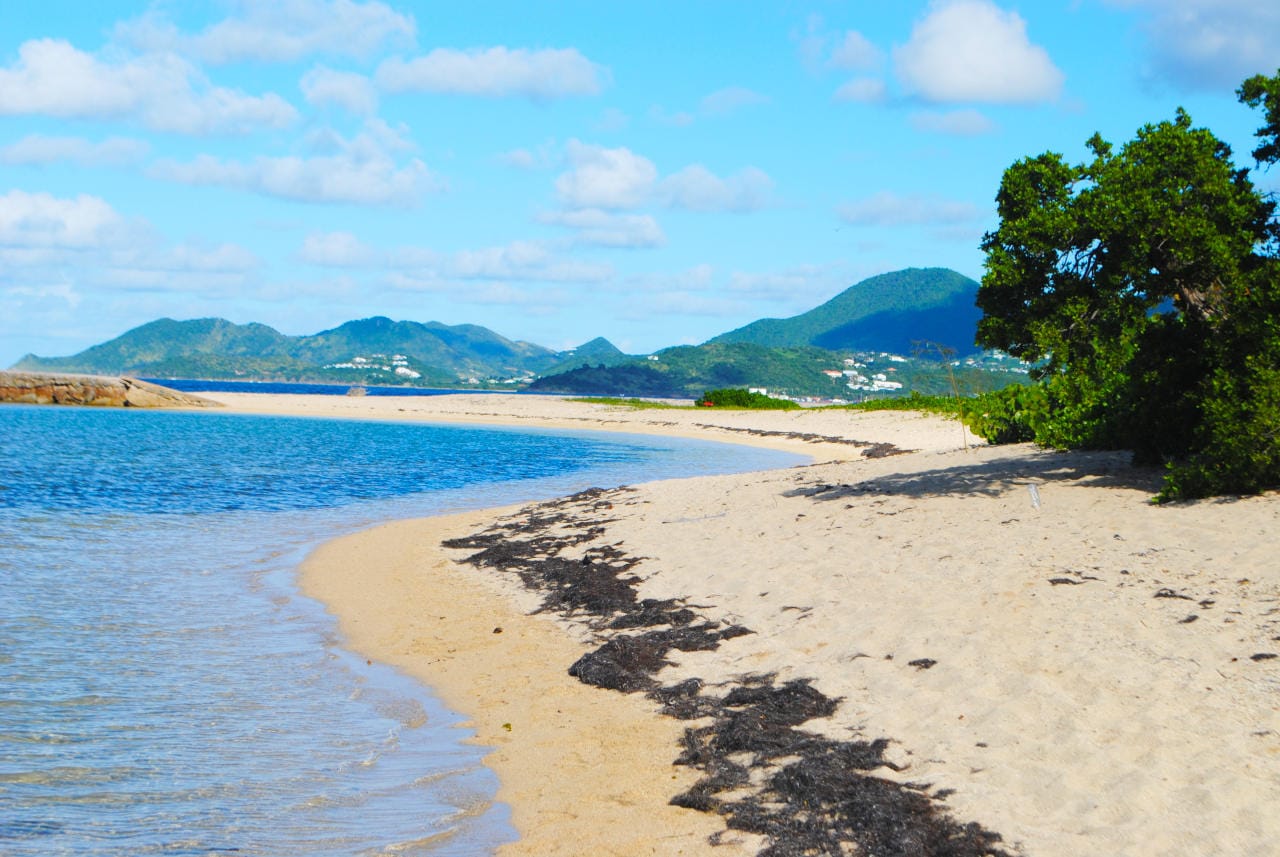
On the French side of Saint Martin, where Marigot Bay opens toward the sea and the views stretch to Anguilla on clear days, a pale pink tower still peeks above the trees. It’s the most recognizable remnant of La Belle Créole, a resort that once promised Riviera-style glamour in the Caribbean—and today stands as one of the island’s most talked-about ruins.
A dream that began in the boom years
The story of La Belle Créole starts in the 1960s, when Saint Martin was beginning to emerge as an international destination and big hospitality dreams arrived alongside the first waves of jet-age travel. The project is widely associated with hotelier Claude (or Claudius) Philippe, who envisioned an ambitious luxury property on a dramatic peninsula in the Nettle Bay / Marigot Bay area.
From the beginning, the design aimed for spectacle: a resort “village” of stone buildings, landscaped grounds, and a signature tower visible from far away—meant to evoke a Mediterranean or French coastal aesthetic, transplanted to the tropics.
Construction stalls, restarts, and scales down
La Belle Créole’s early decades were defined as much by financing as by architecture. Accounts of the project’s timeline describe long periods when the development sat incomplete—partially built, then paused—before new backers revived it.
One reason the resort became so mythic is that it was always a little larger than life: plans described in later histories suggest the original concept was scaled down significantly (for example, from a much larger room count to a smaller final phase). The end result was still grand—just not the full version of the dream.
Opening at last—and a short golden window
After years of delays, multiple sources place the resort’s opening in 1989. For a brief moment, La Belle Créole was exactly what it was meant to be: a high-end escape on a prime piece of coastline, with an atmosphere unlike the standard beachfront hotel blocks that would later dominate parts of the Caribbean.
People who remember those years often describe it as romantic and cinematic—honeymoons, seaside dinners, and the novelty of staying in a stone “village” facing the water.
But that window of success was short.
Hurricane Luis and the moment everything changed
In 1995, Hurricane Luis struck Saint Martin with devastating force. Multiple accounts link La Belle Créole’s abandonment directly to the hurricane’s damage: the resort was heavily impacted, and after the storm it never truly reopened as an operating hotel.
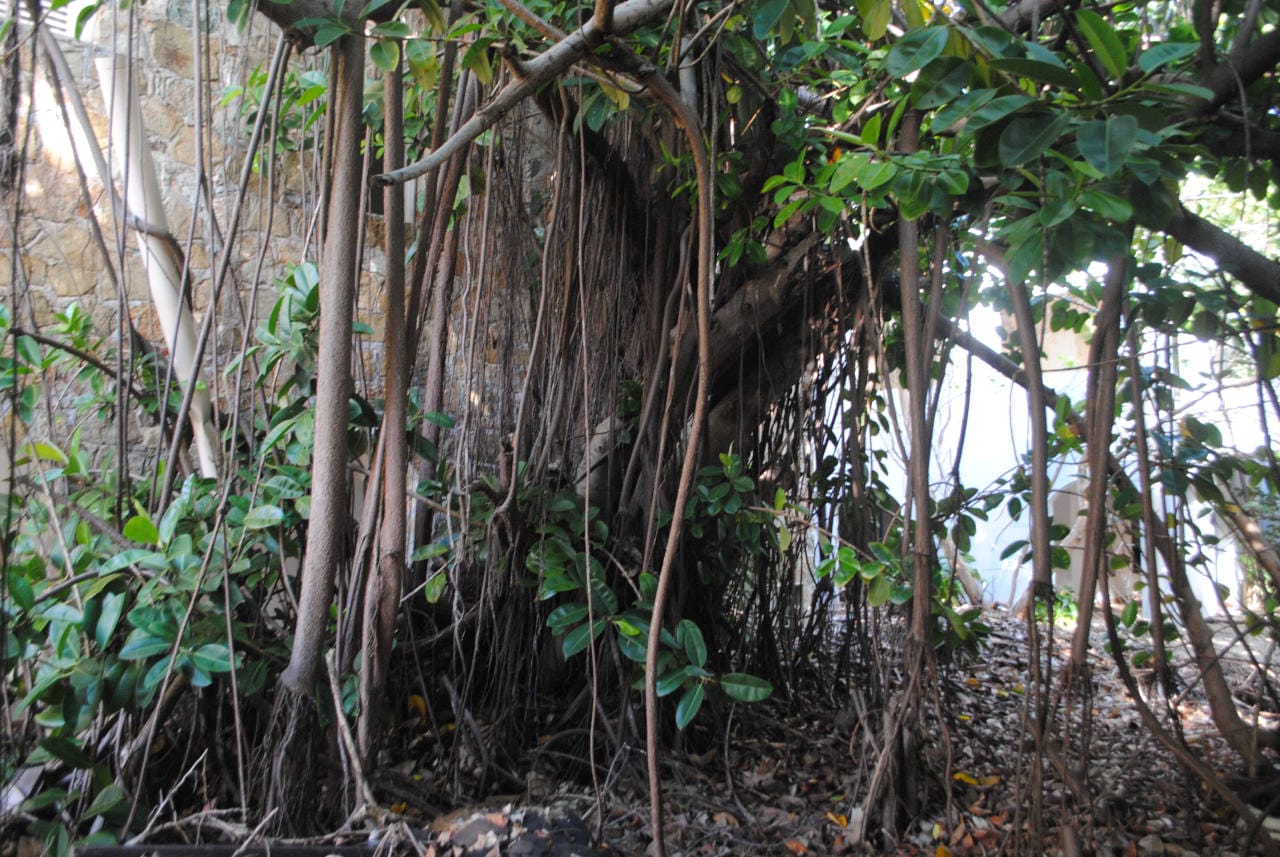
From there, nature took over in slow motion. Salt air, rain, sun, and storms did what they always do when maintenance stops: they turned fixtures into rubble, roofs into hazards, and elegant courtyards into overgrown spaces. Writers who explored or photographed the site in later years describe vines swallowing buildings, broken windows framing sea views, and a strange mix of beauty and decay—like a resort dissolving back into the hillside.
A ruin that became part of the island’s storytelling
Once a major property becomes a landmark and sits empty, it almost inevitably gathers stories. La Belle Créole is no exception.
Local lore—often repeated in articles and photo features—casts the peninsula as “jinxed,” sometimes tied to claims about an ancient burial ground or other haunted-site narratives. These stories are best understood as folklore: part island ghost tale, part cautionary myth explaining why such a prime location stayed dormant for so long.
Whether you take the legends seriously or not, they’ve helped cement La Belle Créole’s status as more than a derelict building. It’s become a cultural object—a shorthand for unfinished plans, storm vulnerability, and the complicated afterlife of big tourism projects in small places.
Why it stayed frozen in time
People often ask a simple question: How can a site this valuable remain abandoned? The true answer is usually unglamorous: a mix of ownership complexity, legal and permitting realities, environmental constraints, insurance and rebuilding costs, and the sheer scale of redevelopment needed to make a modern resort pencil out. Public sources frequently note the land’s development potential and periodic sale or redevelopment interest, suggesting the site has been viewed as a major opportunity for years—even if transformation hasn’t yet happened.
Meanwhile, the longer it sits, the harder it becomes to bring back: deterioration accelerates, and any future project starts to look less like a renovation and more like a ground-up rebuild.
The legacy: a monument to ambition—and to the sea
Today, La Belle Créole lives in postcards, memory, photography, and the island’s collective imagination. In one sense, it’s a cautionary tale about building big in hurricane country. In another, it’s a reminder of how Saint Martin’s modern story was shaped by bold experiments—some successful, some not.
And that’s why the pink tower still matters. It’s not just a ruin. It’s a marker of an era when Saint Martin was redefining itself, and when a single resort tried to become a symbol of “luxury” on a spectacular point of land—and then got caught between economics, weather, and time.
Visiting note
If you’re tempted to explore: be careful. Abandoned structures can be dangerous (unstable floors, exposed metal, hidden drops), and access may be restricted depending on ownership and enforcement. The best way to appreciate La Belle Créole is often from a respectful distance—by sea, from nearby viewpoints, or through photo essays and historical write-ups.
Thanks to the Island Real Estate Team to provide these insights about Belle Creole. The property is listed with Island Real Estate Team (IRE).
Follow THIS LINK to view some amazing images of this historical property >>>