Standard of Living on Sint Maarten — Saint Martin
Sint Maarten is not part of the developing world, even though the appearance of some neighborhoods might suggest otherwise to a first-time visitor. Understanding the gap between the island's economic reality and its visual presentation requires understanding how the island actually works — and why it works that way.
An Economy Built on Open Borders
The island's economic success is inseparable from its policy of open borders and minimal bureaucratic friction. There are no customs duties on either side of the island. Importing goods — any goods — is straightforward and inexpensive. The practical consequences of this are remarkable by any standard. Anyone can buy a car in Miami, have it shipped to Sint Maarten, arrange for liability insurance, and drive it out of the port the same day — no residency, no bureaucratic process, no questions asked. A vacation home owner can bring personal transport for the season. An investor can keep a car at their property year-round. A W made from tape in the rear number plate position, indicating "waiting for registration," is all the documentation required on the road — for a while. The island is small enough that police officers start recognizing unregistered vehicles, and proper registration will eventually be expected. That process, however, is entirely straightforward and creates no meaningful bureaucratic burden.
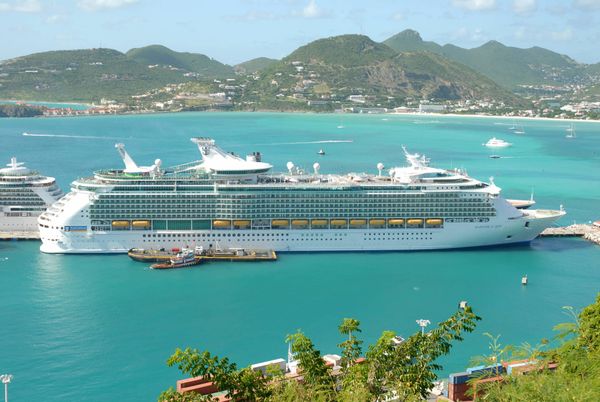
The absence of customs duties has made Sint Maarten a shopping destination for consumers from across the Caribbean, not just cruise ship visitors. Stores are well stocked with consumer goods and luxury items from both the US and Europe at prices that neighboring islands cannot match.
A Political Impossibility That Nobody Noticed
When the United Kingdom left the European Union, the most intractable problem in the entire Brexit negotiation was the border between Northern Ireland — part of the UK — and the Republic of Ireland — an EU member state. An open border between a non-EU country and EU territory would theoretically allow goods that do not meet EU standards to flow freely into the single market. Years of negotiations, a specific protocol, and enormous political capital were spent trying to manage what was described as a constitutional impossibility.
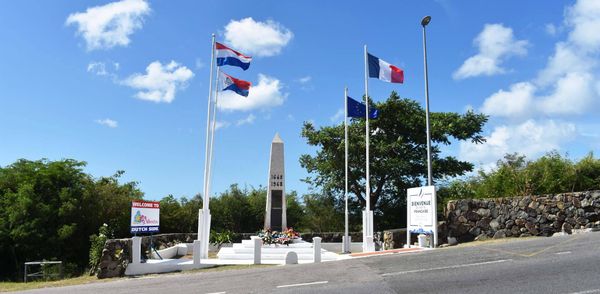
Sint Maarten and Saint-Martin have had exactly this arrangement since 1648. The Dutch side is a constituent country of the Kingdom of the Netherlands — not an EU member. The French side is an outermost region of France — EU territory. Between them: no border controls, no customs inspection, free movement of goods and people in both directions, as guaranteed by the Treaty of Concordia.
Nobody in Brussels noticed for 375 years. The island got on with business.
The Workforce
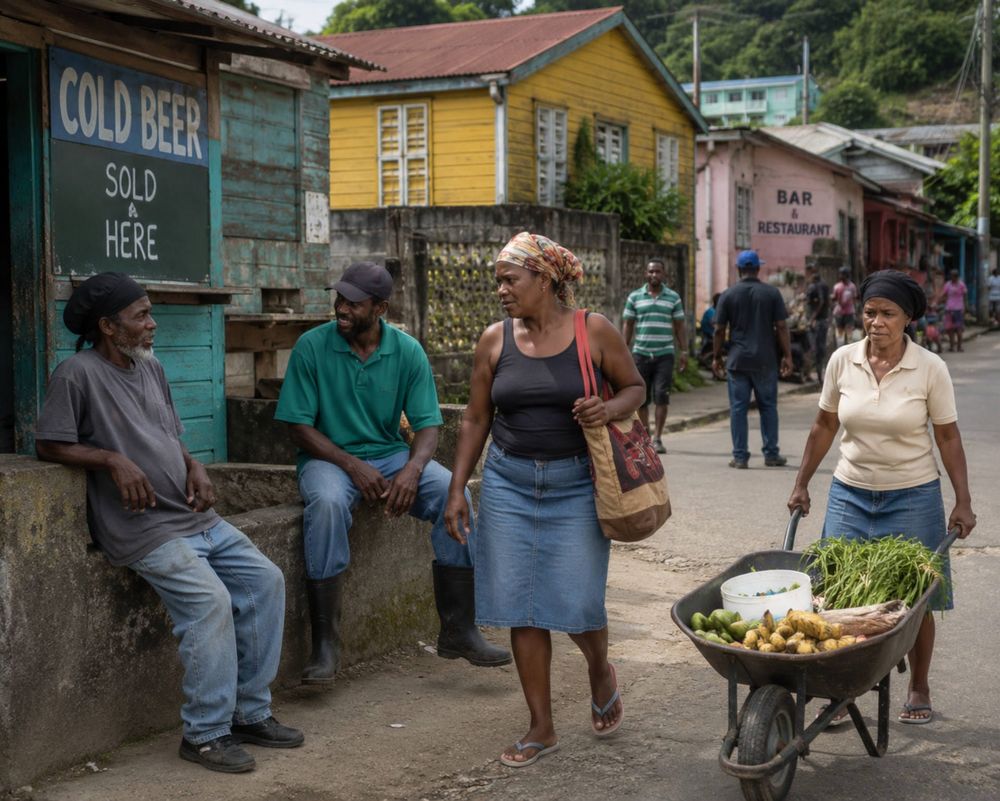
The island's economic success has made it a powerful magnet for workers from across the Caribbean. The majority of Sint Maarten's residents are expatriates from neighboring islands, drawn by job availability and wages that are significantly higher than what most Caribbean economies offer. Many arrive planning to stay a year or two. Many find themselves still here twenty years later.
This pattern has a visible consequence. A transient workforce working long hours in a temporary residence has little incentive to invest in its surroundings. The result is a patchwork island: spectacular natural beauty and well-maintained commercial areas alongside neglected residential neighborhoods where the priority is earning, not beautifying. Both sides of the island have minimum wage legislation, social services, mandatory insurance, and labor protection laws — the standard of living is genuinely middle class for much of the population, even where appearances suggest otherwise.
Opportunities
For qualified professionals, Sint Maarten offers an active economy with real opportunities. The construction and real estate sector is in the middle of a sustained development cycle. The marine industry — the largest yacht servicing operation in the Antilles — requires skilled tradespeople at every level. The American University of the Caribbean draws medical professionals and creates supporting demand across health services. Tourism, hospitality, and retail management all operate at a scale that requires experienced professionals rather than just seasonal labor.
The Physical Island
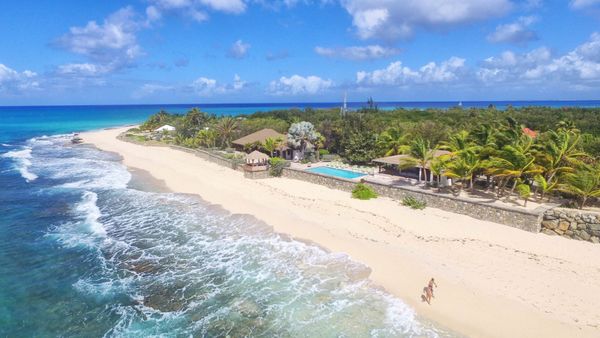
Sint Maarten has regions of genuine natural beauty — views over the turquoise Caribbean on clear days stretching as far as St. Kitts and Montserrat, secluded beaches, lush valleys. It is also densely populated for its size, and economic success has produced urban sprawl and rush-hour traffic that surprises first-time visitors expecting a sleepy Caribbean island. The two things coexist and always have. The island rewards visitors and residents who understand what it actually is: a busy, prosperous, commercially active place that happens to have extraordinary beaches and a warm climate.