Properties on French Saint Martin
French Saint-Martin covers the northern two thirds of the island. It is not a colony or an overseas department — it is a French Collectivité, a fully European territory operating under the same standards and laws as continental France. This distinction matters considerably for buyers.
A Different Pace of Development
The French side developed more slowly, and that slower pace preserved more of its natural character. The relationship between the two sides is genuinely symbiotic: without the beauty and sophistication of the French side, Dutch Sint Maarten would be a much less compelling destination. And without the Dutch side's entertainment infrastructure and international airport, French Saint-Martin residents would have a considerably quieter life than most of them want. Both sides need each other.
Who Can Buy Here
Citizens of any EU member state can settle and work in Saint-Martin without restriction. For Americans and Canadians, owning real estate here is straightforward — there are no barriers to foreign ownership. Despite being French territory, English is the first language of most Saint-Martiners, and North American investors will find the administration and public services navigable without difficulty.
Understanding 'Defiscalisation'
The French government actively promotes economic development in its overseas territories through a tax incentive program called défiscalisation. A French taxpayer who invests in hotel construction on Saint-Martin can deduct the full investment amount from income tax obligations. The property must operate as a hotel for at least five years before it can be converted to another use.
The practical result of this program shapes much of the condo market: a large portion of apartments available for sale started their lives as hotel rooms or suites and, to qualify for the tax program, were not permitted to have interior kitchens. Cooking facilities were installed on terraces or balconies instead — which, in the Caribbean climate, has its own appeal. This does not apply to higher-end properties, which were built outside the program.
A separate category of larger units built for retail défiscalisation investors is also on the market. These properties are frequently overpriced, because they were purchased with subsidized money. Once released from the tax program — typically five to eight years after construction — prices return to genuine market levels.
The Honest Balance Sheet
The advantages of the French side are substantial: a rock-solid legal system, an absence of the administrative corruption that occasionally surfaces on the Dutch side, the full financial backing of France, and EU residency benefits including the French national health system for residents.
Closings are modestly more expensive than on the Dutch side. There is a capital gains tax of 34% on profitable sales, though this can be managed with proper documentation of improvements and maintenance expenses over time.
The French side also has its challenges. Many condominium complexes have not been maintained to the standard their original marketing promised. Construction quality on some défiscalisation projects has been uneven. Building codes are strict in theory, but buyers should approach older developments with eyes open and conduct proper due diligence.
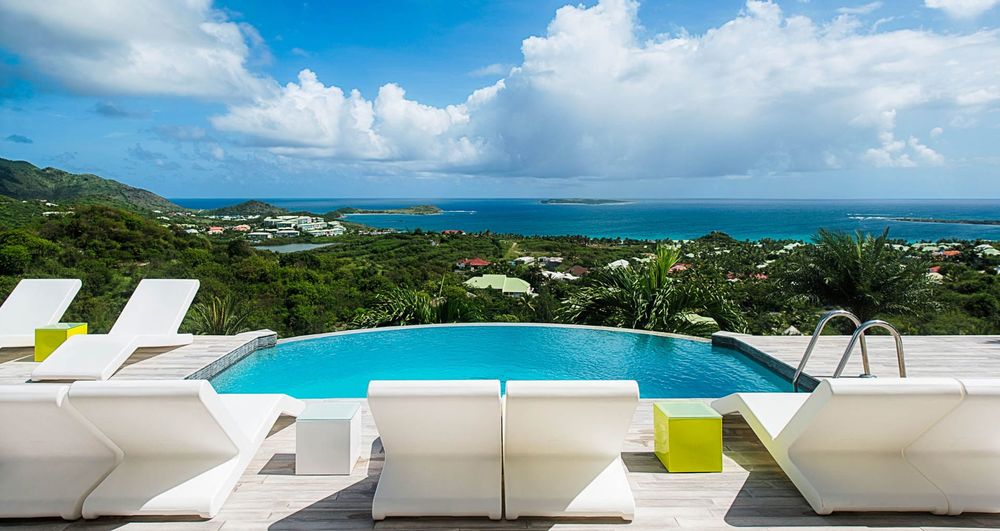
The most exclusive addresses on the island — grand estate homes in the Terres Basses and Basse Terre lowland regions — are on the French side. European buyers have recognized this for years. American investors are still catching up, which means the window of relative value remains open.
Contact Sunshine Properties or the Island Real Estate Team for current French-side listings.